Part I, Book 1, Chapter 11
One Reservation
Are we sure Victor Hugo was never on Twitter (RIP)? He does that thing you see with veteran posters who spent too much time on Twitter, where to head off misreadings and bad faith interpretations of their posts, they append these long thorough disclaimers to make things ultra-clear for anyone with less-than-stellar reading comprehension skills. (Which, of course, never actually stops dummies with internet brain rot from misreading the post anyway and going “So you hate waffles?”)
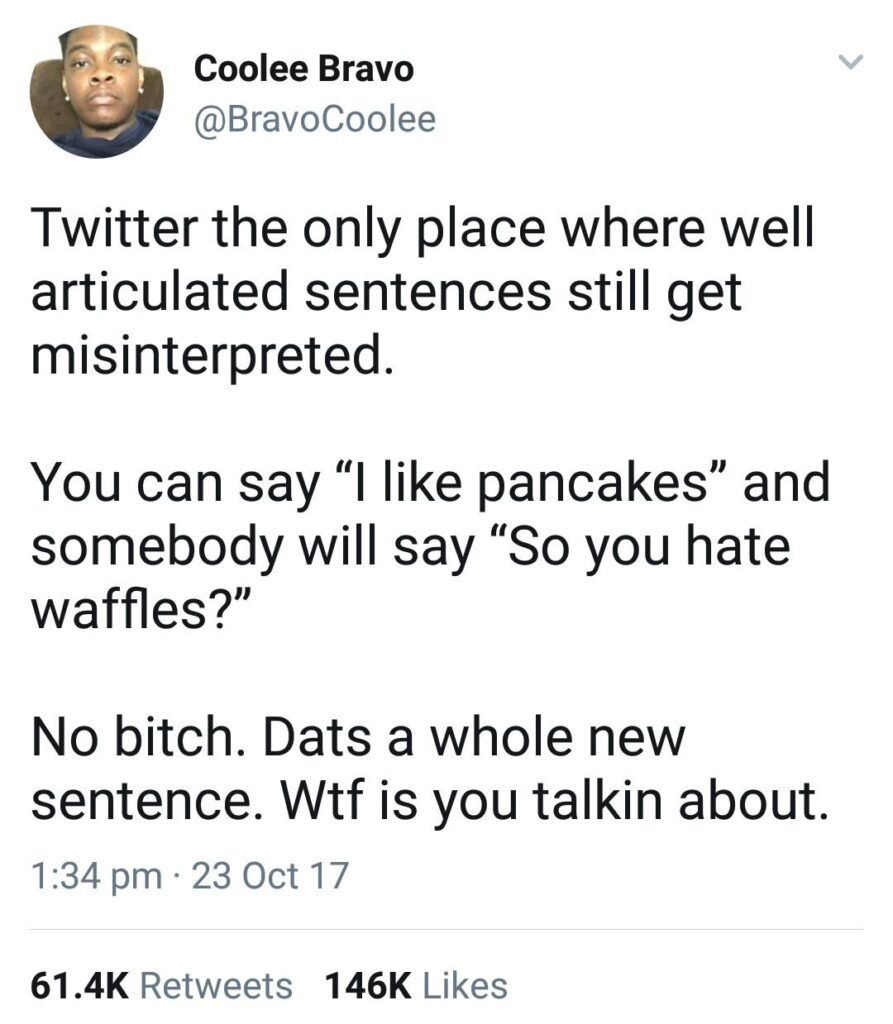
This whole chapter is like an end-of-thread disclaimer. Because the previous chapter had the bishop engaging in political debate (to the DEATH), Hugo is now concerned that you might think Myriel is overtly political or philosophical, so now he has to write a whole thing so some “down with Drumpf” liberal blue wave poster doesn’t Ruthkanda Forever him.
I just read that last sentence over and I think the internet brain rot has completely ruined me.
Hugo decides we need more bishop backstory to appreciate his totally non-political views, so he explains that at a fancy bishops gathering in Paris, Monseigneur Bienvenu offended the other bishops so bad he had to leave early. Here’s the offending remark that got our sweet bishop #CANCELED:
“Such beautiful clocks! Such beautiful carpets! Such beautiful liveries! They must be very disturbing. Oh, I wouldn’t want to have all these luxuries crying constantly in my ears, ‘There are people who are hungry! There are people who are cold! There are poor people! There are poor people!’”
Come to think of it, if you are one of those people who is forced to attend gatherings with toxic family members, maybe you should try pulling this at their house and see if it gets you sent home early. Can’t hurt.
Then Victor Hugo goes on to tell us that the assuredly non-political bishop (sorry, Hugo, but the above remark totally is political, as a critique of the extraction and hoarding of capital at the expense of the poor) is flawed and inconsistent in his views because he doesn’t like Napoleon (which…again, is political? What does “non-political” mean to Victor Hugo???).
It’s possible that with historical retrospective and sitting in a century where we have slightly different takes on imperialist/colonialist megalomaniacs, I have more understanding for the bishop’s anti-Napoleonic sentiment than a reader in Hugo’s time would have. Hugo criticizes his own creation but I think he may have unintentionally created a character ahead of his time.
However, the bishop’s antipathy for Napoleon, Hugo assures us, doesn’t affect his ability to be kind to people. (I dunno man, tell that to G.) He relates an anecdote about a town hall doorkeeper who is a rabid Napoleon stan and is sacked for his overt anti-monarchist views; the bishop, despite this man’s political beliefs being at odds with his own (again, what does “non-political” mean here?), gives him a job in the cathedral.
This crossing-of-the-political-divide goes both ways; the common people around the bishop who support Napoleon still love the bishop, Hugo says, and have places in their hearts for both.
This is not really relevant at all to the chapter, but I finished with the takeaway that I wish I could show Victor Hugo Napoleon (2023) and see what his reaction is when Joaquin Phoenix shouts, “YOU THINK YOU’RE SO GREAT BECAUSE YOU HAVE BOATS!”
I just think it would be really, really funny.
Leave a Reply