Part 1, Book 3, Chapter 1
The Year 1817
We’re onto Book 3! It’s two years after Valjean’s release, and this chapter basically reads as a France-in-1817 version of “We Didn’t Start the Fire.”
It’s essentially a laundry list of all the things happening in France that year, politically and culturally, very clearly referencing events that a reader who lived through that year would know.
There are two ways to read this chapter: you can blow through it and just pick up the gist—there’s a lot going on, got it—or you can painstakingly read the pages and pages of annotations in the back of the book explaining each of the references, which turns this several-page chapter into a very long slog. I did the latter.
As a modern reader who definitely didn’t learn any of this in AP Euro, so much of it went over my head—even with explanations, because there’s just so much context missing. I imagine it’s how someone in another country would feel in 200 years if they just got a list that went “blue or white dress, Mueller Report, big boat stuck, Dominion machines, tradwives, jumbotron Coldplay CEO, Kennedy Center.” All these words are shorthand for big events we’re all familiar with now, but need a ream of explanation for future readers.
It’s very common nowadays to joke about how much is always going on these days—I’ve seen people joke that a single week of a news cycle could be an entire history textbook, modifying the “Lemon, it’s Wednesday” meme, and commenting that this first week of 2026 is already enough for the entire year. And there’s a reason why the shitpost “everything happens so much” really resonated with people.
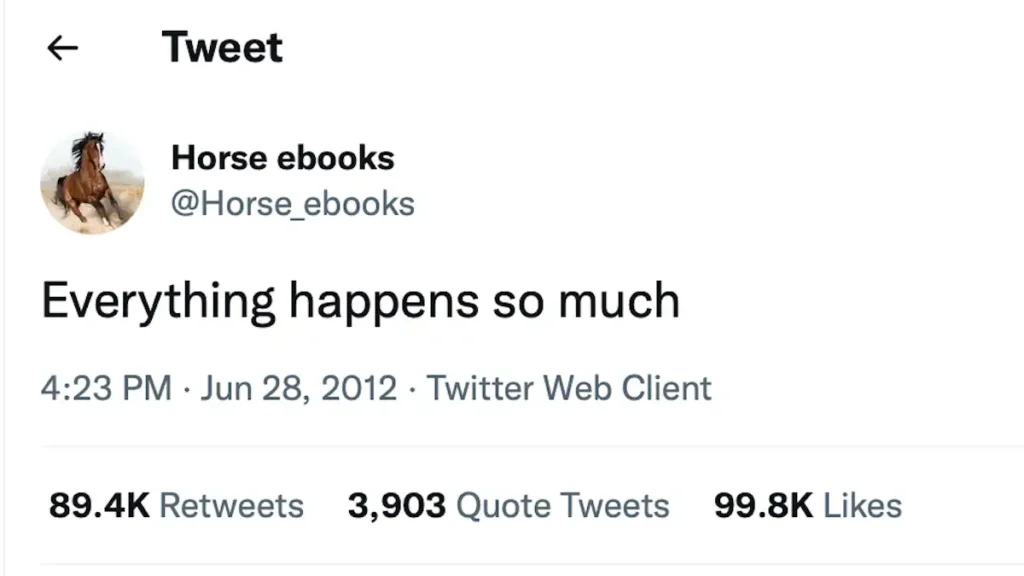
It’s very easy to assume that the deluge of insanity we’re collectively living through is a modern phenomenon, aided by unhinged leaders who have weaponized technologically induced social rifts to take power and the internet delivering us more information than we were ever meant to take in. But this chapter, smacking the reader in the face with an endless carousel of events happening in one country in one year, is a good reminder that everything has always happened so much.
There are also, amid the confusion of names and events, some very familiar feelings. “Whether one said ‘regicides’ or ‘voters’, ‘enemies’ or ‘allies’, ‘Napoleon’ or ‘Buonaparte’—this could divide two men more than any abyss.” Like, wow, this kind of polarization is nothing new! Who in this decade hasn’t had their hackles go up at someone using a word signaling their ideological affiliation?
I was also mildly rewarded for reading the explanatory notes; one sentence buried in the middle of many read, “David d’Angers was demonstrating his skill at working in marble.” The annotation informed me that “sculptor David d’Angers made several busts of Victor Hugo.”
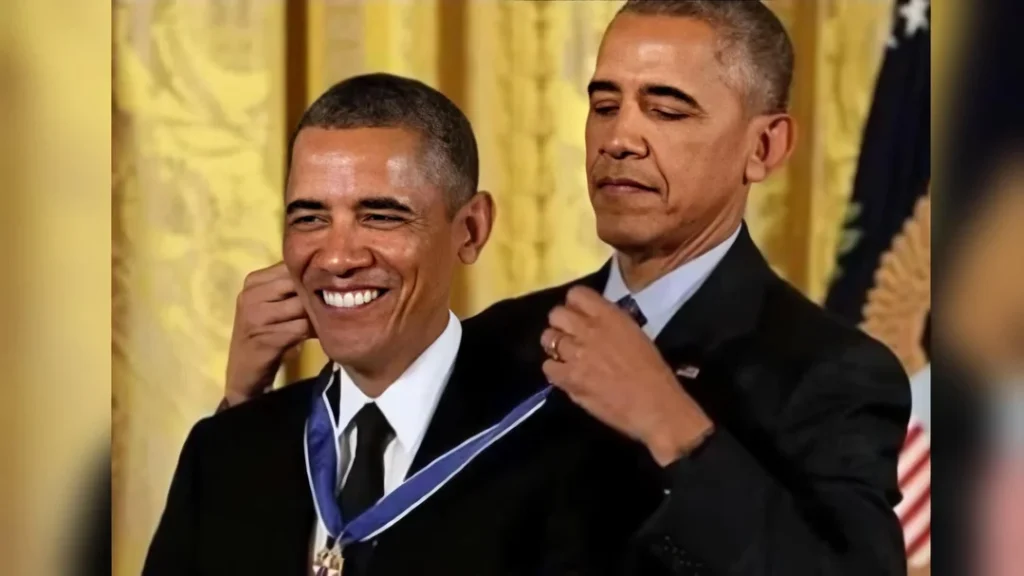
I see what you did there, Victor.
The history recounted in this chapter gets so granular that I don’t think I truly learned anything, but Hugo’s snark and wit still cuts through the muddle. There are sentences that are clearly petty swipes at people or groups Hugo dislikes (not for the first time) and there are some mic drop moments of dripping contempt. I didn’t necessarily understand it, but I got that these were hilarious dunks. I basically felt like Perd Hapley the entire time.
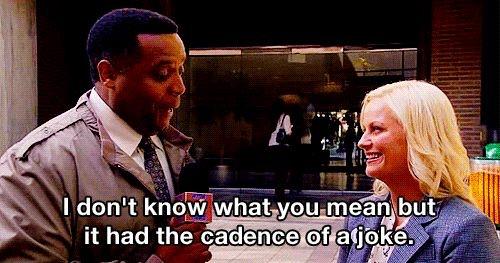
Hugo finishes the chapter acknowledging that his reader might not understand any of this. You don’t say! “History neglects nearly all these details,” he says, which I can confirm because, again, none of this was in any textbook I ever studied. But all of this is to show that the next part of the story takes place in a year not unlike any other, where despite the lack of textbook-worthy events, everything was still happening so much.
Leave a Reply