Part II, Book 1, Chapter 9
The Unexpected
Okay, now THIS is battle writing.
Having been ordered forth by Napoleon, the French army headed out looking all magnificent and fearsome, and at this point Hugo seems to have remembered that he has an audience to entertain and the writing becomes downright cinematic.
The two columns going up the plateau resembled “two huge adders of steel […] like something supernatural.” I am loving this imagery. We then get mythical: Hugo compares the sight of all the cuirasses on these snaking troops to “scales on the hydra,” and describes the trotting horses and riders moving through smoke as being like centaurs from a “chronicle of another age.” Oh now you have me, Hugo. All of this is very good.
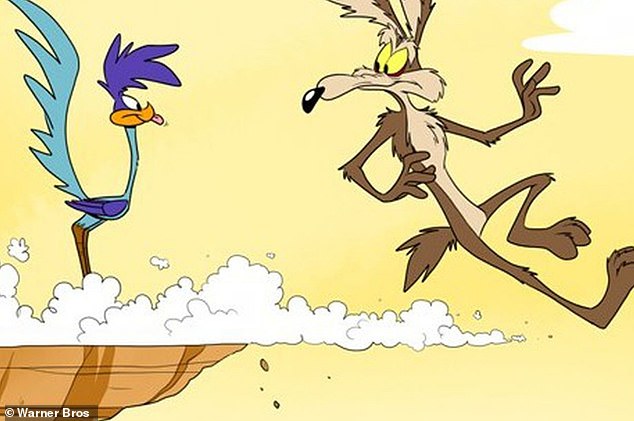
Then, as the French forces came up to where the English are lying in wait, this situation suddenly goes from epic poetry to straight up Looney Tunes nonsense.
For you see, the DEATH TRENCH was waiting!!! The French forces hit the trench and by the time they realized it was there, it was too late and they couldn’t stop. “The second line drove the first into it, and the third drove the second.” Like I said, Looney Tunes. I bet when the first line hit the trench, they were briefly suspended in the air and everything.
But there’s more. “The horses reared […], landed on their rumps, slid with all four legs in the air, unseating and flattening their riders.”
I am torn. On the one hand, mass horse tragedy = a very dismayed me. On the other hand, I am LOSING it at the absolute cartoon goofiness of this entire scene.
Because no one saw the Death Trench coming, thousands of horses and riders ended up falling in, piling on top of each other and getting trampled. What a horrible way to go; RIP all the very good horses.
“This is when the battle started to be lost.” Wow, remind me to have all my battles near hidden death trenches that my enemies don’t know about.
Now, remember how Napoleon had asked his guide Lacoste a question? According to Hugo, the question was whether or not there was an obstacle on the plateau, and the guide shook his head no, setting the events of Death Trench in motion. Um, do we need to put Lacoste in witness protection?
For the past several chapters, Hugo has been very Hugo (derogatory) but this moment is where he becomes Hugo (complimentary). For the author must explain to us why all this happened, and his explanation is amazing.
“Was it possible Napoleon might have won that battle?” Hugo asks, before giving us the matter-of-fact answer: “No. Because of God.”
I cannot believe I did not realize this was an option I could have used on the AP Euro exam.
And here’s why God had to give Napoleon the smackdown. “The inordinate weight of this man was disturbing the balance of human destiny. […] The moment had come for the incorruptible supremacy of natural justice to intervene. […] He was an inconvenience to God.”
HE WAS AN INCONVENIENCE TO GOD.
INCREDIBLE.
I realize that this is all a beautifully definitive illustration of hubris (which, combined with the hydra-and-centaurs imagery at the beginning, gives this whole chapter a delicious Greek myths vibe): once any one mortal grants themselves more weight and importance than they actually have, the powers that be will smite them. And I think we see that imbalance everywhere today, with plenty of easily nameable figures who believe themselves to have outsized importance in the world; I’m still waiting for all these particular inconveniences to experience the effects of corrective divine intervention.
For now, I’m just going to start saying “he is an inconvenience to God” ALL THE TIME.
Leave a Reply